Bearing Witness: Why Human Resilience Moves Us More Than Statistics
Written by Special Foundation
Share |


It always starts the same way. With a question. Usually one of these two variations: “How can I support what you do?” or “How can I be part of this?”
It’s a common thread. Everyone finds a way to be part of something that feels like it moves the needle, even if that movement feels minute. Most people's enthusiasm for joining a social impact movement is usually rooted in our human need for connection. We are social beings, and we have survived for millennia on the recognition that we are duty-bound to protect, respect, and carve paths out for those within our society who aren’t as privileged as we are.
Why Stories Move Us More Than Statistics
Often, when we mention the number of out-of-school children in Nigeria—estimated by UNICEF at 10.2 million at the primary level and 8.1 million at the junior secondary level, accounting for 15% of the global total—we hope the mere shock of that figure inspires people to act. In time, however, I have discovered that huge numbers do little to inspire action beyond a momentary feeling of sympathy. Behavioral research backs this up: psychologist Paul Slovic’s landmark work on “psychic numbing” and the identifiable victim effect shows that as the scale of a crisis grows, human compassion actually fades, whereas a single human face or personal story sparks genuine action.
Instead, we find genuine support in the more intimate stories. Stories like Pamilerin’s, who was abandoned by his father and lived with his mother until quite recently, when their house in the slums of Makoko was razed by fire. They had to seek refuge in a nearby church, yet none of that stopped him from going to school, thanks to the support of well-meaning partners.
These stories speak to what every human can relate to: true resilience in the face of adversity. It is why most people find the courage to keep pushing toward their own goals: recognising that same drive in children like Pamilerin, who could easily succumb to valid excuses but choose not to. And stories like these are not rare. They exist across many communities, most of which speak to the innate need for someone to pay a little attention and listen.
Witnesses, Not Saviors
As a social impact organization, a misguided notion that has lingered is that our job is to “help.” Far from it. Our job—our role—is to shine a light on the truth of human resilience and showcase the dignity of children from underserved communities, whilst making a case for their inclusion in the basic fabric of any societal institution—in this case, education.
We are not here to be saviors. We are not here to be liberators. We are witnesses to a simple but profound truth: with ample opportunity, every child deserves the dignity and the right to dream. We are also here to bear witness to their growth when those opportunities are granted, seeing the change in real time in the lives of these children and their families.
Bridging the Divide Through Youth Action
Another amazing thing is witnessing the inspiring actions of young adults and children from the other end of the socio-economic divide. These are children who grew up with ample opportunities and still choose to give back to communities they may never experience, except through social impact.
When Uyiosa heard about us from her mother, she didn’t recoil at the possibility of visiting the slums. Instead, she looked around and chose to bring not just her sisters, but her friends, to be part of a truly unique experience. By the end of the program, the Special Summer School program at the Makoko center was all the better for it.
Watch the highlight featuring Uyi and her friends.
The Collective Responsibility of Bearing Witness
There is a sense of fulfillment in being part of something that feels monumental. It’s why religion continues to thrive even in the face of blatant hate and discrimination. As long as the idea lives, every generation can raise new witnesses, eager to be the beacons of light for something greater than themselves.
To digress, now is a time for the world to come together to help liberate the women of Afghanistan, where, as of November 2026, reports confirmed that the Taliban in northern Balkh province banned the use of women’s names on official documents, including medical records and prescriptions—adding to more than 100 decrees restricting women’s rights over the past five years. This is a violation of their human rights, and we call on the United Nations and all other relevant international bodies to put an end to the systemic oppression of Afghan women by the Taliban. As civil rights leader Fannie Lou Hamer famously reminded the world in 1971, “nobody’s free until everybody’s free”—no one is truly free if everyone isn’t free.
On this note, our work as witnesses of humanity requires us to interrogate our motives. Are we fighting for lasting change or merely posturing for posterity? Thankfully, with what we are building here, it is becoming clear that hope reigns supreme—not just in the lives of those we bear witness to, but also in the lives of those who are actively choosing to be witnesses with us.
| Written by Mifa Adejumo | Communications Lead, The Special Foundation
You may also like
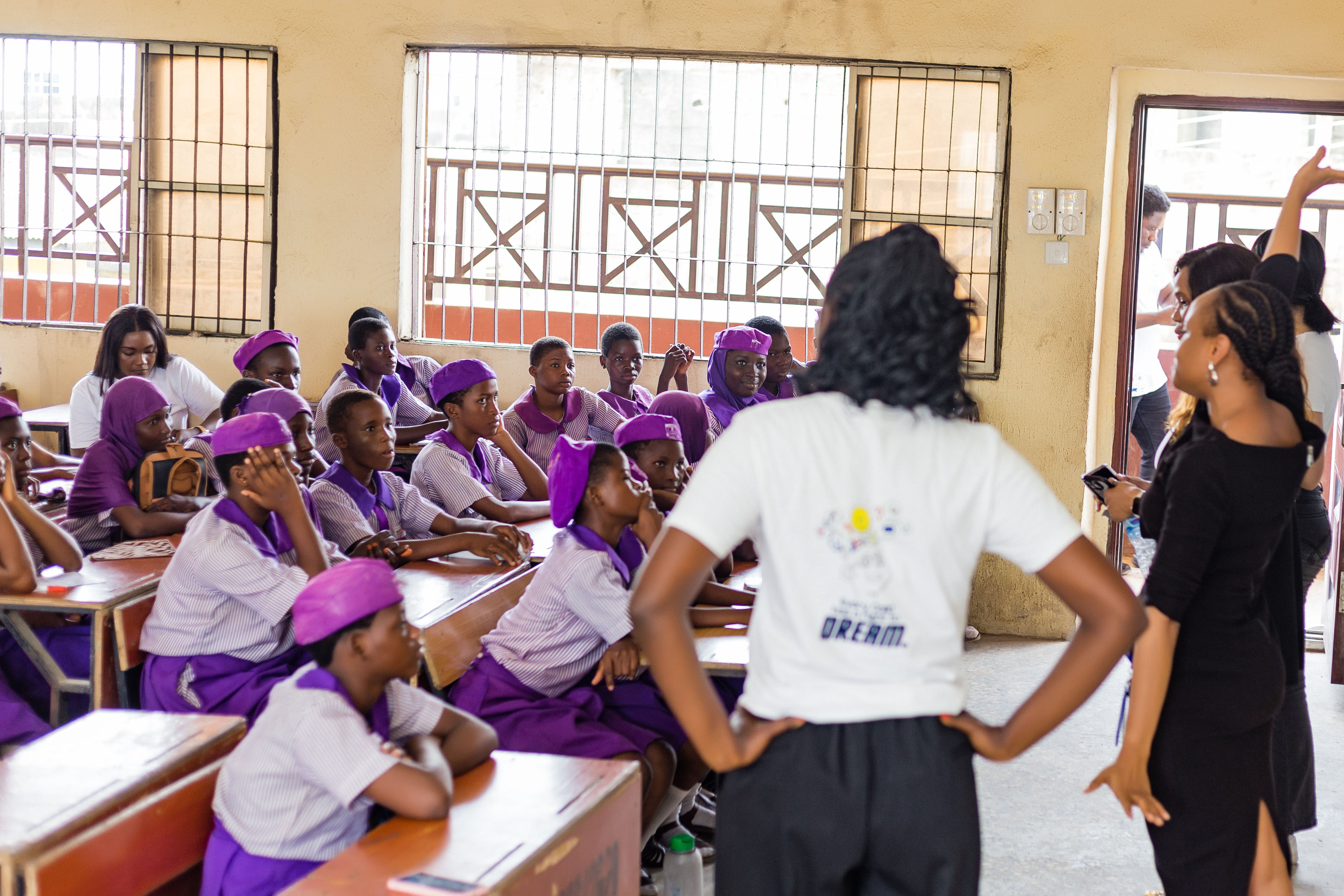
Closing the Learning Divide Across Africa: Why Foundational Access and Scholarships Must Work Together
November 27, 2026
READ MORE